
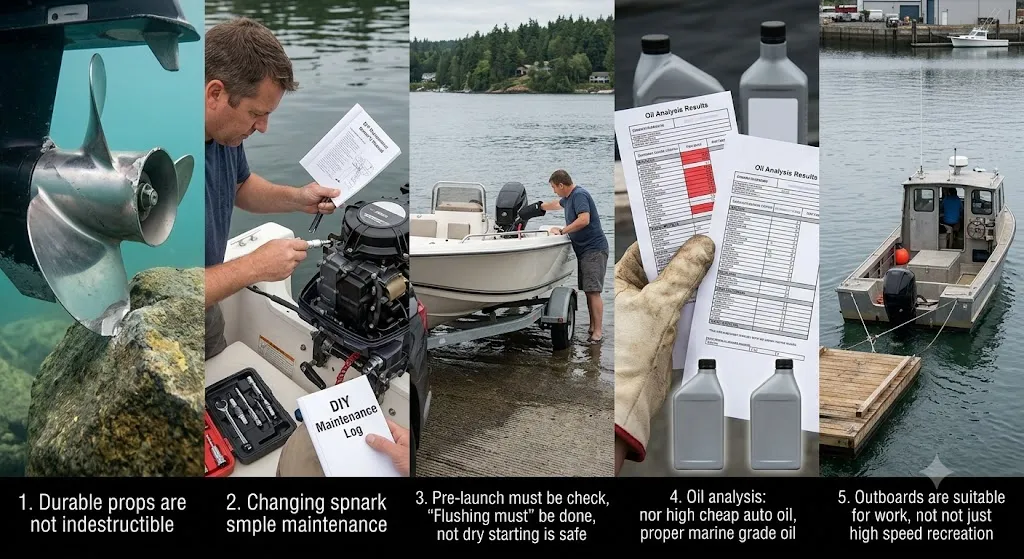
Boating folklore travels fast around marinas and ramps. Some advice is helpful, but plenty is outdated or simply wrong, and believing it can cost you money. Whether you are comparing outboard motors for sale or maintaining an old favorite, let’s bust five common myths and replace them with practical, reliable knowledge.
Myth One: Bigger Is Always Better
Many newcomers assume the most powerful engine automatically gives the best experience. In reality, oversizing adds weight, burns fuel, and can push a boat beyond its safe design limits. Reserve power also adds a margin of safety in rough weather. Bigger is only better when the boat is built for it.
The better approach is matching output to the hull, your load, and your habits. A properly sized engine feels balanced, costs less to run, and treats your boat the way its builder intended. Match, do not exceed, is a good motto to follow. Question what you hear, and test it yourself.
Myth Two: New Engines Never Need Break-In
Some owners think a brand-new motor can be pushed hard on day one. Most manufacturers recommend a gentle break-in period, varying speeds during the first hours so internal parts settle in properly. Patience with the first hours pays off for years afterward.
Following the manual costs you only a little patience. Skipping it may shorten engine life or reduce performance. The break-in instructions exist for a reason, and they are always worth reading carefully. Your owner’s manual is the most overlooked tool in the whole boat.
Myth Three: Saltwater Engines Cannot Last
Salt is harsh, but diligent owners keep coastal engines running for many years. Flushing after every trip, replacing anodes, and using corrosion protection make an enormous difference in long-term condition. Fresh water, a good routine, and quality materials work together as a team.
The engine’s design matters as well. Marine-grade materials and good finishes help, though care is still the deciding factor. Neglect, not salt alone, is usually what destroys equipment before its time. Salt-loving boaters can still enjoy long engine life with the right habits.
Myth Four: Used Means Unreliable
A well-maintained pre-owned engine can serve for hundreds of hours without complaint. Age alone does not decide reliability. Maintenance history, storage conditions, and how the previous owner treated it matter far more. Condition always beats the number printed on the calendar.
Inspection is the key. A careful walkaround, a cold start test, and a look at service records separate good bargains from problem machines. Smart used shopping rewards patient, curious buyers. There is no need to fear a pre-owned engine that has been loved.
Myth Five: Every Engine Performs the Same
Different models excel in different areas, including noise, weight, torque, and service support. Choosing a respected Mercury outboard can mean easier parts availability and broader dealer knowledge, which matter when repairs come up. Check parts supply and technician familiarity in your area before deciding. Check hours, records, and appearance before drawing any conclusion.
Do not rely on name recognition alone. Read specifications, compare owner experiences, and test what you can. Informed buying beats assumptions every time, whichever model you eventually choose.
Bonus: Leaving Fuel in the Tank Is Fine
Letting gasoline sit all winter is a common habit and a risky one. Fuel degrades, absorbs moisture, and leaves deposits that block tiny passages in carburetors and injectors. This is especially true if the boat sits unused for weeks at a time.
Use stabilizer, or drain the system as the manual advises. A small step in the fall prevents the stubborn, frustrating starting problems that appear on the first warm weekend of spring.
Myth Six: Maintenance Can Wait Until Something Breaks
Waiting for failure feels economical until the repair bill arrives. Engines are designed around regular service, and small tasks like oil changes and impeller swaps cost far less than fixing damage caused by neglect. A reliable source is more useful than a loud opinion.
Think of maintenance as a subscription to reliability. A modest monthly effort keeps surprises away, preserves resale value, and ensures that the boat is ready whenever the weather finally turns beautiful.
Conclusion
Be skeptical of advice that sounds absolute. Words like always and never rarely fit real machines. Ask where the claim comes from, and whether it matches what the manual or a qualified technician says.
Keep learning. Boating technology improves constantly, and yesterday’s rule of thumb may no longer apply. Staying curious is the best protection against costly misunderstandings.
