A prospective car buyer might submit an inquiry at 9:30 p.m., expecting a helpful response before visiting another dealership’s website. However, most dealership teams cannot maintain full staffing throughout the evening. Delayed replies can leave interested shoppers uncertain about vehicle availability, financing options, or appointment arrangements. An ai bdc for car dealerships can support business development teams by managing initial communication and routine scheduling tasks. Its value depends on accurate information, appropriate customer consent, and reliable coordination with employees who handle purchasing decisions.
After-Hours Inquiries Deserve Thoughtful Responses
Vehicle shoppers frequently research their options outside standard dealership operating hours. Someone comparing family SUVs after dinner may want confirmation that a particular model remains available before arranging a visit. Automated assistance can acknowledge the inquiry, provide verified information, and offer an appointment when the dealership reopens. However, responses should avoid promising inventory availability or financing terms that have not been confirmed. A clear message explaining the next step helps maintain confidence while ensuring customers understand when a qualified employee will become involved.
Appointment Quality Matters More Than Volume
Scheduling additional appointments may appear successful on a performance dashboard, but the number alone reveals little about genuine customer interest. A shopper who requests information about one vehicle should not automatically receive an unrelated appointment offer. Effective systems gather relevant details, respect expressed preferences, and identify suitable times without creating unnecessary pressure. Dealerships should distinguish booked appointments from confirmed visits and completed showroom meetings. This approach provides a more meaningful assessment of business development activity and helps sales managers allocate attention to promising opportunities.
CRM Records Must Reflect Real Conversations
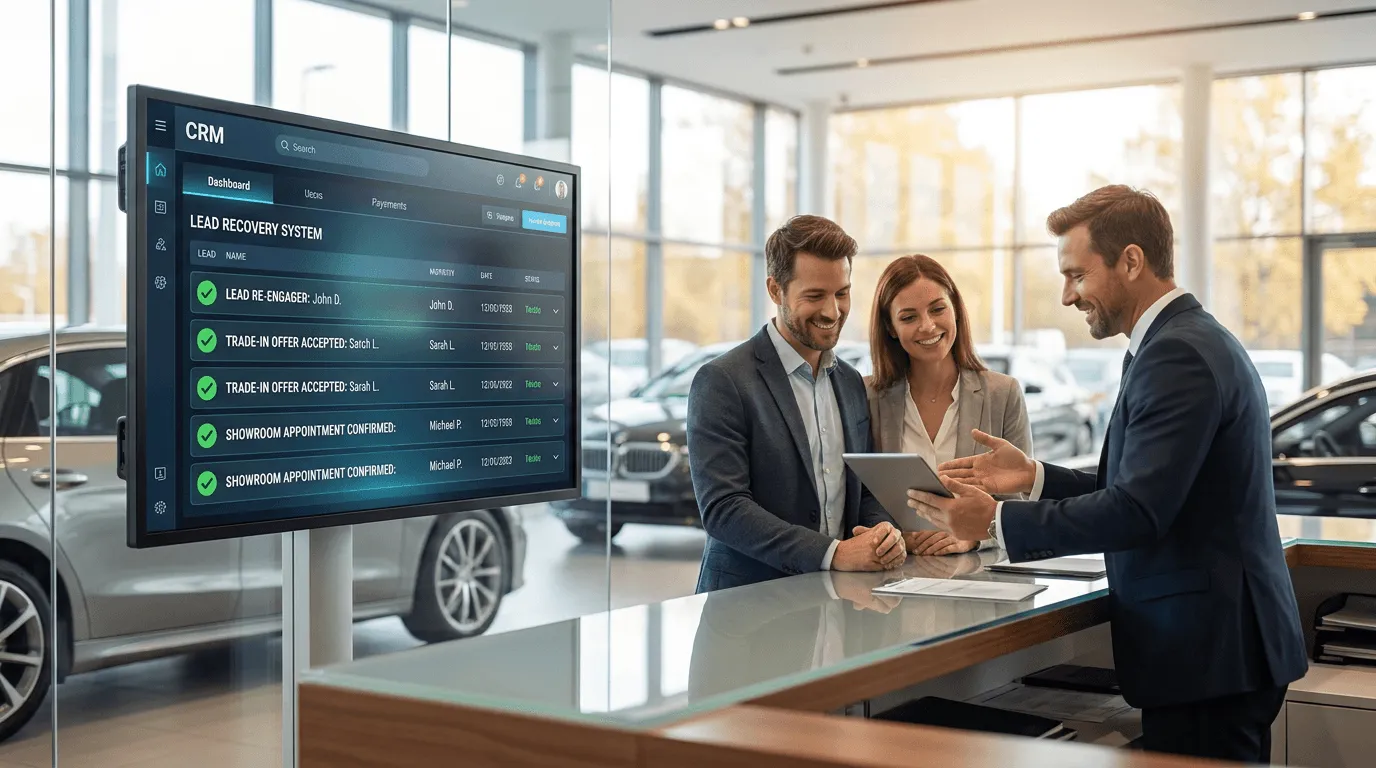
Business development departments rely on accurate customer histories to prevent repeated questions and conflicting messages. When automated systems communicate with shoppers, those interactions should appear in the dealership’s customer relationship management platform whenever supported by the integration. Important details include vehicle preferences, appointment requests, communication permissions, and unresolved questions. Employees should be able to review the conversation before taking responsibility. Without reliable synchronization, customers may receive duplicate messages or incorrect follow-ups. Testing CRM connections is therefore essential before expanding automated communication across dealership operations.
Human Handoffs Require Clear Triggers
Certain customer interactions cannot be resolved appropriately through routine automated responses. A shopper negotiating a trade-in value, questioning financing conditions, or raising a complaint may need direct assistance from an experienced employee. Business development technology should recognize these situations and create a straightforward escalation process. Dealerships can define triggers based on customer requests, sensitive topics, or repeated misunderstandings. Clear ownership prevents conversations from becoming stranded between systems. Effective handoffs preserve context, reduce customer frustration, and allow employees to focus on discussions requiring professional judgment.
Communication Permissions Cannot Be Overlooked.
Automated outreach introduces responsibilities involving consent, customer preferences, and applicable communication regulations. Dealerships should determine whether shoppers have authorized particular contact methods before sending promotional messages or automated follow-ups. Systems must also recognize opt-out requests and ensure that employees can inspect relevant communication records. Transparency matters when customers are interacting with automated technology rather than a person. Written procedures, vendor documentation, and periodic reviews help maintain consistent standards. Responsible implementation protects customer trust while supporting efficient communication across busy business development departments.
Coordinating Automation With Existing Employees
Introducing automated assistance works best when employees understand which responsibilities remain theirs. Business development representatives may continue handling complex inquiries, confirming important details, and supporting customers preparing for showroom visits. Automation can reduce repetitive administrative work without replacing the personal relationships that influence purchasing decisions. Managers should explain how conversations are assigned, when staff must intervene, and how errors should be reported. Training also helps employees identify situations where automated messages require correction. Collaboration between technology and staff creates a more dependable customer experience.
Measuring Performance Through Customer Outcomes
A successful implementation should produce improvements beyond faster response times or increased message counts. Dealerships can monitor appointment confirmation rates, showroom attendance, customer satisfaction, and the percentage of inquiries requiring human intervention. Baseline measurements collected before implementation provide useful context for evaluating changes. Managers should also examine incorrect responses, duplicate appointments, and abandoned conversations. These findings reveal where automated workflows need adjustment. Regular reviews prevent impressive activity statistics from hiding operational weaknesses and help determine whether the technology genuinely supports dealership performance.
Conclusion
Business development success depends on maintaining useful communication from the first inquiry through the customer’s dealership visit. Automated assistance can improve availability and coordination, but accurate information, human judgment, and consistent follow-through remain essential. Dealer Data One distinguishes customer-facing business development agents from marketing operations intelligence, helping dealerships understand the different responsibilities these technologies address. Before adopting a solution, managers should test real inquiry scenarios, confirm CRM compatibility, and evaluate completed showroom visits rather than relying on automation activity alone.
